How Sump Pumps Protect Basements From Flooding
People searching for sump pump installation are often looking to prevent basement flooding, and local contractors can expertly install systems that keep water out and protect your home.
Understanding how sump pumps protect basements from flooding is essential for property owners facing frequent heavy rains or rising groundwater levels. These systems work by actively removing excess water that accumulates around or beneath a home, helping to prevent water from seeping through foundation walls or flooding interior spaces. For homeowners in the area, exploring sump pump installation and maintenance options can be a practical step toward safeguarding their property’s structural integrity and avoiding costly water damage.
Local contractors specializing in sump pump services can provide tailored solutions that meet the specific needs of each property. Whether installing a new sump pump system or ensuring an existing one is functioning correctly, these service providers can help ensure that basements stay dry during heavy storms or unexpected flooding events. Keep reading to learn more about how sump pumps work and how trusted local experts can assist in protecting your home from water-related issues.
- Sump pump installation services are needed when a basement is prone to flooding during heavy rains, and local contractors can assess the best system to prevent water damage. Homeowners considering ways to protect their basements from flooding often seek local pros who specialize in installing sump pumps that effectively remove excess water. When a property has poor drainage or a high water table, local service providers can install sump pumps to keep basements dry and secure. For homes experiencing recurring water intrusion, local contractors can recommend and install sump pump systems to provide reliable flood protection. Individuals looking to prevent basement flooding from heavy rain or groundwater issues can contact local pros experienced in sump pump installation for tailored solutions.
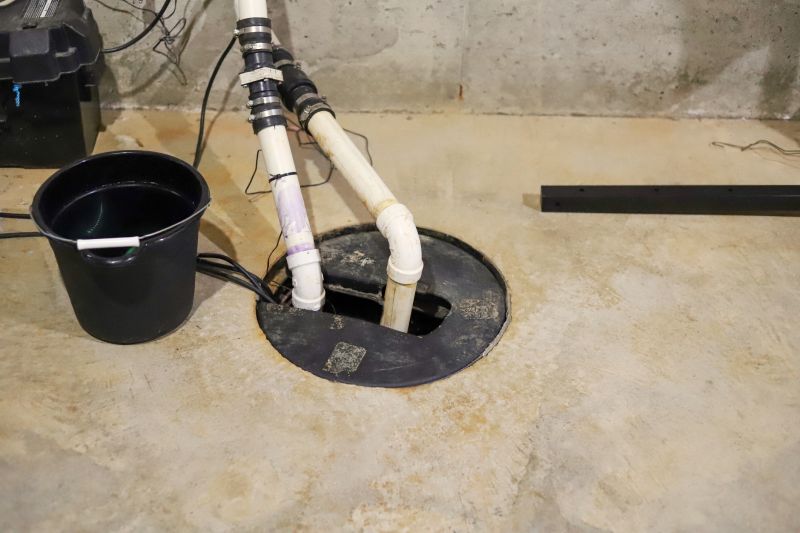
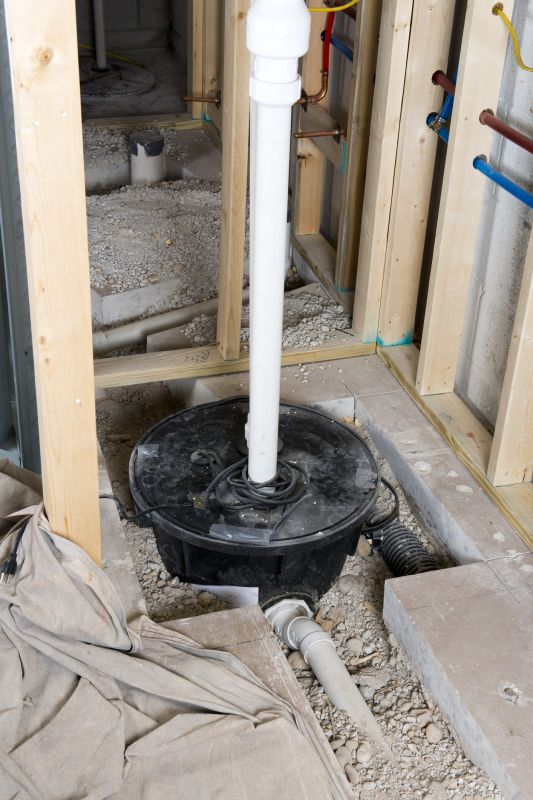
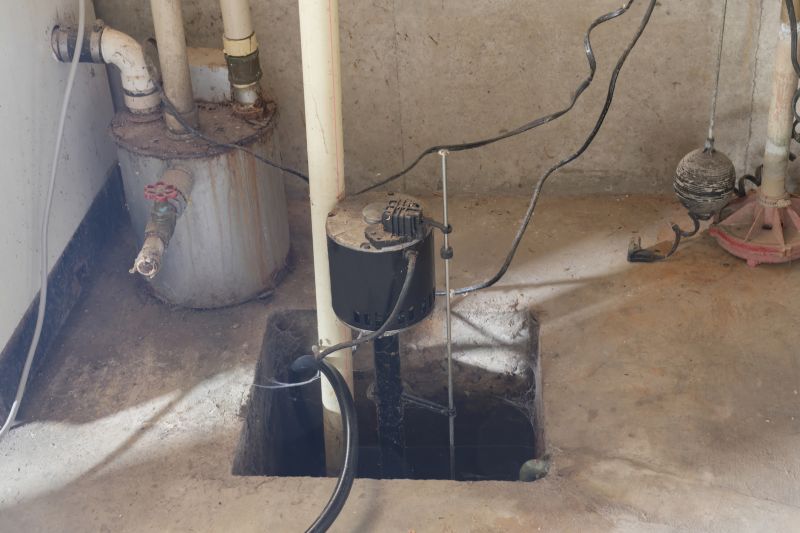
When homeowners search for how sump pumps protect basements from flooding, they are often looking to understand how these devices work to prevent water damage during heavy rains or rising groundwater levels. Flooding can cause significant issues, including structural damage, mold growth, and ruined belongings. Many property owners consider sump pumps as a key part of their overall flood prevention plan, especially in areas prone to frequent or severe water intrusion. The goal is to find effective, reliable solutions that can keep basements dry and safeguard the foundation from water-related problems.
The types of problems associated with basement flooding typically involve poor drainage, inadequate waterproofing, or high water tables that overwhelm existing barriers. Homeowners may be planning to install a sump pump as part of a new construction project, or they might need to upgrade an aging system to improve flood protection. These projects often relate to properties that have experienced past flooding or are located in flood-prone regions. Understanding how sump pumps work helps homeowners make informed decisions about whether this technology fits their property’s needs and how it can be integrated into their overall flood prevention strategy.
Properties that usually come up in discussions about sump pump protection are often those with basements or crawl spaces that are below or near the water table. This includes homes built on or near flood plains, areas with clay soils that retain water, or regions with heavy seasonal rainfall. Commercial properties with underground storage or parking areas may also benefit from sump pump systems to prevent water accumulation. For these properties, the primary concern is maintaining dry, stable spaces that can be used safely and effectively, which makes sump pump installation a practical solution.
Local service providers who specialize in sump pump installation and maintenance are key to ensuring these systems function correctly when needed. They can assess a property’s specific risk factors, recommend appropriate sump pump types, and handle the installation process to maximize flood protection. Properly installed and maintained sump pumps work automatically, activating when water levels rise, and help prevent the costly and disruptive consequences of basement flooding. Connecting with experienced local contractors ensures that the sump pump system is tailored to the property’s needs and provides reliable protection against water intrusion.
Drainage System Installation - professionals who install effective drainage systems can help manage water flow around a property, reducing the risk of basement flooding similar to sump pump systems.
Foundation Waterproofing - local contractors experienced in waterproofing can provide solutions that work in tandem with sump pumps to keep basements dry during heavy rain.
Wet Basement Repair - specialists who address existing basement water issues often incorporate sump pump installation as part of comprehensive flood prevention strategies.
Gutter and Downspout Services - experts in gutter systems help divert roof runoff away from the foundation, complementing sump pump efforts to prevent basement flooding.
Grading and Landscape Drainage - contractors skilled in yard grading and drainage planning can reduce water accumulation around the foundation, supporting sump pump effectiveness.
Sewer Backup Prevention - service providers who install backflow valves and sewer backups prevention systems work to protect basements from water intrusion, similar to sump pump functions.
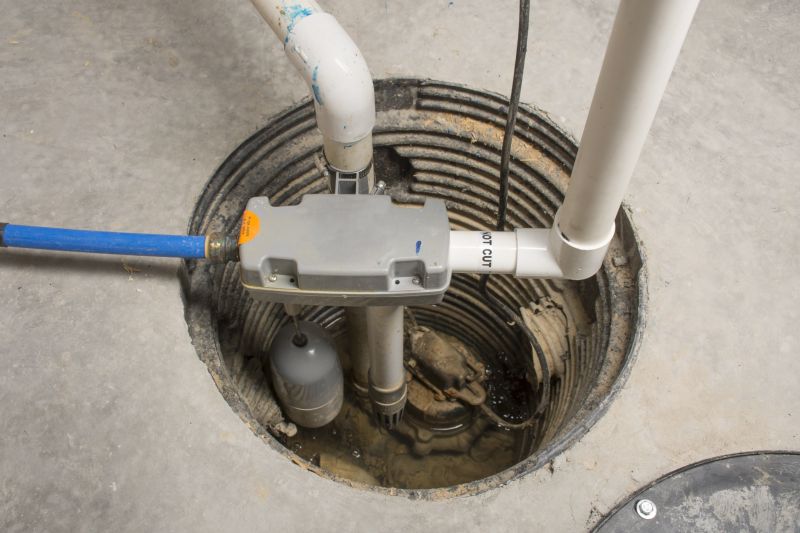
When comparing service providers for sump pump installation, it is important to consider their experience with similar projects. Homeowners should seek out local contractors who have a proven track record of installing sump pumps in homes with comparable foundation types and basement conditions. An experienced professional will have a better understanding of how sump pumps can effectively prevent flooding and protect the basement’s structural integrity. Asking about previous projects or requesting references can help gauge their familiarity with the specific challenges involved in safeguarding basements from water intrusion.
Clear written expectations are essential to ensure that both homeowners and service providers are aligned on the scope of work, materials used, and maintenance considerations. A reputable contractor can provide detailed explanations of the installation process, the type of sump pump recommended, and any additional features that may enhance flood protection. Having this information in writing helps prevent misunderstandings and ensures that the homeowner understands what to expect from the service, making the decision-making process more straightforward.
Good communication is a key factor when selecting local contractors for sump pump services. Homeowners should look for service providers who are responsive, transparent, and willing to answer questions throughout the process. Open dialogue allows for better understanding of the installation’s specifics and helps address any concerns about how sump pumps protect basements from flooding. Contractors who communicate clearly and regularly can build trust and provide reassurance that the project will be handled professionally, ultimately supporting a successful installation that enhances basement flood protection.
Property owners often search for how sump pumps protect basements from flooding when they are planning practical projects around their homes and businesses. Local pros provide Sump Pump Installation services for everyday jobs and straightforward project options.
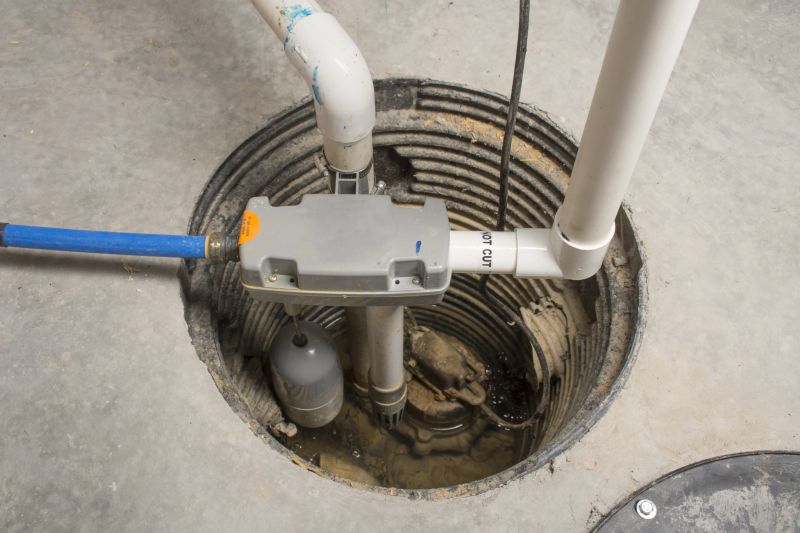
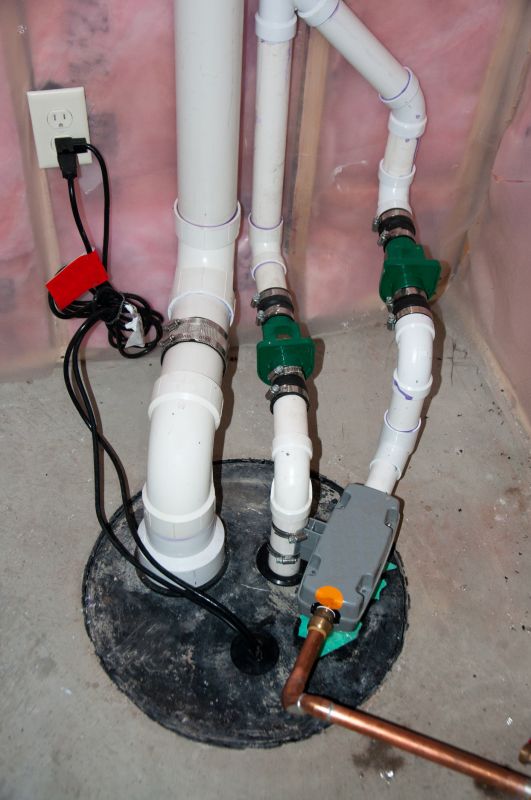
Understanding how sump pumps protect basements from flooding is a common concern for property owners who experience heavy rains or have areas prone to water intrusion. When excess groundwater or rainwater seeps into a basement, a sump pump can serve as an effective safeguard by automatically removing the water before it causes damage. Many homeowners seek out local contractors to evaluate their property's specific needs and install a sump pump system that can help prevent flooding, mold growth, and structural issues caused by water accumulation.
For those considering sump pump installation, working with experienced local service providers can ensure the system is properly set up to handle the unique conditions of the property. These professionals can assess the basement's layout, determine the appropriate type and capacity of sump pump, and install it efficiently. Having a reliable sump pump in place offers peace of mind during storms or periods of heavy rainfall, helping to keep basements dry and protected from water damage.
How do sump pumps help prevent basement flooding? Sump pumps remove excess water that accumulates in the basement, especially during heavy rains or groundwater seepage, helping to prevent flooding and water damage.
What is involved in installing a sump pump to protect a basement? Local contractors typically install a sump basin in the basement floor and connect it to a sump pump that automatically activates when water levels rise, providing effective protection against flooding.
Can a sump pump be integrated with existing drainage systems? Yes, many service providers can connect sump pumps to existing drainage or waterproofing systems to enhance basement protection from water intrusion.
How do professional installers ensure a sump pump effectively protects a basement? Professionals assess the basement’s water risk, choose the appropriate sump pump size, and ensure proper installation of the basin and discharge piping for reliable operation.
What maintenance is required for sump pumps to keep them functioning properly? Regular inspections, cleaning the basin, and testing the pump ensure it operates correctly when needed, helping to maintain basement flood protection.
Assess basement vulnerability - property owners can evaluate their basement’s drainage and waterproofing needs to determine if a sump pump installation is appropriate.
Plan for proper sump pump placement - designing a suitable sump pit location and size ensures effective removal of accumulated water during heavy rains, with local contractors providing installation guidance.
Integrate backup systems - exploring options like battery backups or secondary pumps can help maintain protection during power outages, and local service providers can assist with setup.
Schedule regular testing and maintenance - establishing a routine for testing the sump pump ensures it functions correctly when needed, with local pros offering maintenance services to keep it in optimal condition.
If you are thinking about how sump pumps protect basements from flooding for a property, this guide is meant to help you understand this topic, the typical project types, and how different options might fit your plans.
When you are ready, you can use the quote form on this page to share a few details about your project. From there, local pros can review the basics and follow up with options that match what you have in mind.